Sensory Processing and Occupational Therapy: Signs, Assessment and Support
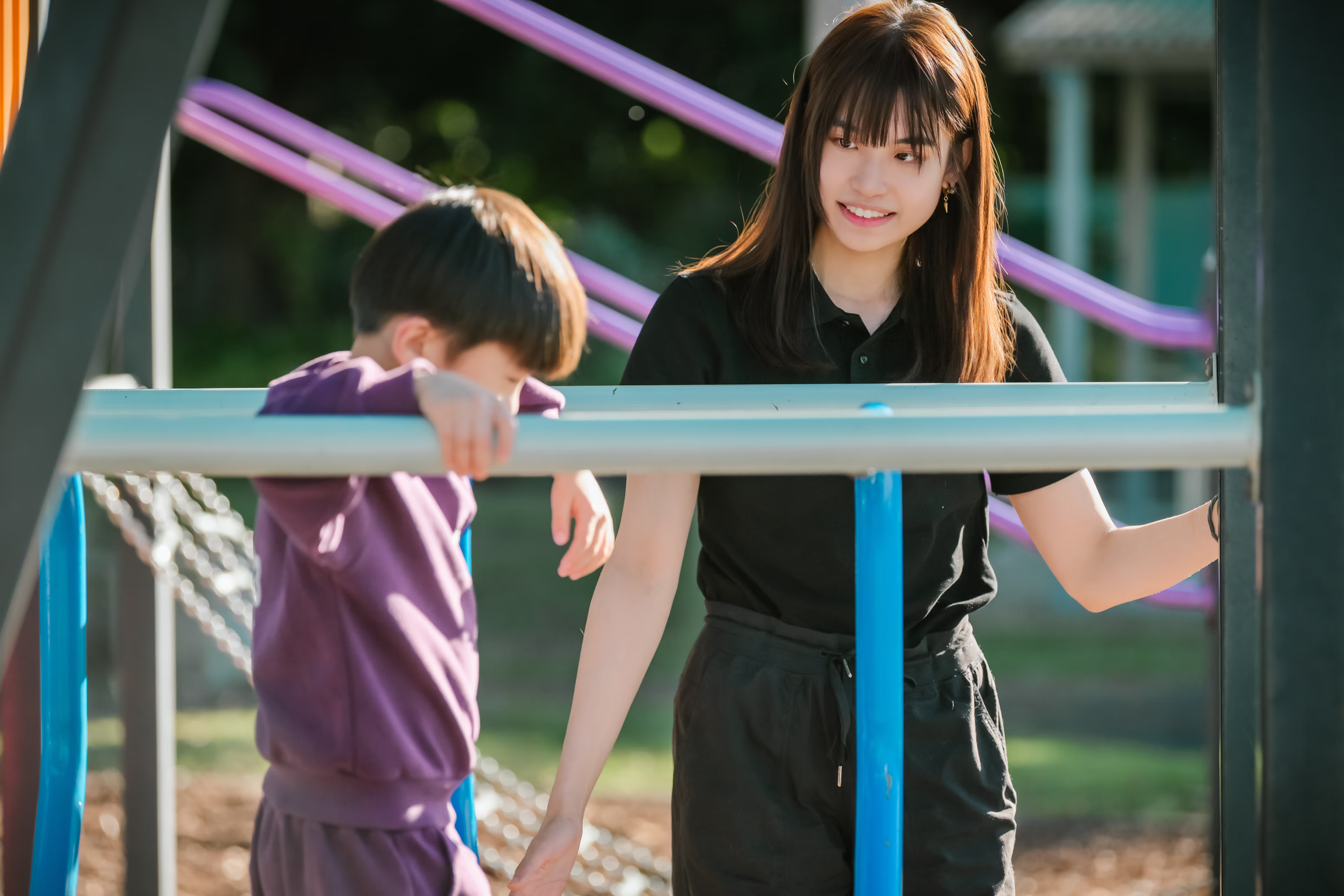
Sensory processing is the way a person takes in, makes sense of and responds to information from their senses. Everyone has sensory preferences. For some children and adults, though, sounds, textures, movement or busy places can feel much stronger or much weaker than they do for others. This can make everyday life harder.
An occupational therapist (OT) can help work out what is going on, often with an OT sensory assessment, and then find practical ways to help. This guide explains what sensory processing differences look like, whether "sensory processing disorder" is a diagnosis, what happens in a sensory assessment, and what the research says about sensory therapies.
What is sensory processing?
Most of us know the five senses: sight, hearing, touch, taste and smell. OTs also talk about three more:
- Vestibular: the sense of movement and balance.
- Proprioception: the sense of where your body and limbs are, from your muscles and joints.
- Interoception: the sense of what's happening inside your body, such as hunger, thirst, pain, feeling hot or cold, or needing the toilet.
Sensory processing is how the brain takes in information from all of these senses and decides how to respond.
You may also see "sensory processing sensitivity", linked to the idea of a "highly sensitive person". That is a personality trait, which is different from the sensory processing differences an OT works with.
What sensory processing differences look like
People respond to sensory information in different ways:
- Over-responsive (hypersensitive): some sensations feel too strong, so the person may avoid them or feel overwhelmed. Too much at once can lead to sensory overload.
- Under-responsive (hyposensitive): the person may not notice some sensations, such as their name being called.
- Sensory seeking: the person looks for more intense experiences.
Many people have a mix, and their responses can change with their health, the situation and the environment. A widely used model from occupational therapist Winnie Dunn describes four patterns: seeking, avoiding, sensitivity and registration (noticing less than others).
Sensory differences are not always a problem. Autism Spectrum Australia (Aspect) describes them as a difference, not a deficit.
Signs of sensory processing differences in children
These are signs, not a checklist for a diagnosis. A child might:
- cover their ears or get upset with sudden or loud noises;
- dislike certain fabrics or clothes;
- gag on or avoid some food textures, or seek out strong flavours and textures;
- constantly touch things, or smell objects a lot;
- not seem to notice pain, heat or cold;
- not notice when their name is called;
- react strongly to sudden movements, touch or bright lights;
- seem clumsy, or be fascinated by lights or moving objects.
Children's Health Queensland says that if you think your child has sensory processing difficulties, you should seek help from an occupational therapist.
Sensory processing issues in adults
Sensory processing issues in adults can affect work, home and social life. An adult who is sensitive to sound may find loud places distressing or be upset by sudden noises. Shopping centres, crowds and workplaces such as offices with fluorescent lighting can be hard. Others notice less, and may seek out strong sensations such as loud music.
Sensory differences are common in autistic adults. Research also finds more sensory differences in children and adults with ADHD, and in young people with anxiety.
Some OTs in mental health services use "sensory modulation". This means using sensory tools to help people manage distress. Research on this in adults is still at an early stage.
Is sensory processing disorder a diagnosis?
You'll often see the term "sensory processing disorder" (SPD). The experiences it describes are real. But it is not recognised as a separate medical diagnosis. It is also not listed in the DSM-5, the manual doctors use to diagnose conditions such as autism and ADHD.
In 2012, the American Academy of Pediatrics advised that sensory processing disorder generally should not be diagnosed, because there is no agreed way to diagnose it. It noted that sensory difficulties can be seen in many conditions, including autism, ADHD, developmental coordination disorder and childhood anxiety. A 2022 review also described SPD as not currently recognised as a distinct medical diagnosis. Researchers have proposed sub-types, such as "sensory-based motor disorder", which describes trouble steadying the body or planning movements.
For getting support, the label matters less than how much sensory differences affect daily life.
Sensory processing, autism, ADHD and anxiety
Autism. Differences in how a person responds to sensory input are one of the features used to diagnose autism. Research suggests between about half and almost all autistic people have sensory processing differences. Our article on occupational therapy for autism looks at OT for autistic people more broadly.
ADHD. A 2025 review of 30 studies found that people with ADHD had more sensory differences than people without ADHD.
Anxiety. A 2023 study found that young people with anxiety disorders or OCD reported more sensory difficulties than other young people.
Children in general. Surveys of parents in the United States suggest about 1 in 20 to 1 in 6 children have sensory difficulties, depending on how they are measured.
Sensory differences on their own don't mean a child is autistic or has ADHD. If you're wondering about a diagnosis, talk to your GP or paediatrician.
When to get help
It's worth getting advice when sensory reactions get in the way of everyday life, such as sleep, eating, getting dressed, kindy or school, work, or time with family and friends. You can see an OT directly without a referral, or start with your GP.
If your child's eating is very limited, Children's Health Queensland suggests seeing a speech pathologist. Signs include avoiding or refusing certain textures or whole food groups, or eating fewer than 20 types of food.
What happens in an OT sensory assessment?
An occupational therapy sensory assessment looks at how a person responds to sensory information, and how this affects the things they need and want to do. It usually includes:
- Talking with you about daily life, routines, strengths and what's hard. For children, this is with parents and sometimes teachers.
- Watching everyday tasks at the clinic, or at home, kindy, school or work. For young children, much of this happens through play.
- Questionnaires that compare a person's responses with others of the same age. Common ones are the Sensory Profile 2, filled in by parents and teachers for children from birth to 14. Teenagers and adults from age 11 can fill in the Adolescent/Adult Sensory Profile themselves. The Sensory Processing Measure, Second Edition, covers ages 4 months to 87 years.
- Agreeing on goals for what you or your child want to be able to do.
Afterwards, the OT talks through what they found and the strategies that might help. A sensory assessment describes sensory patterns and how they affect daily life; it is not a medical diagnosis. It is done by an occupational therapist, because OT assistants can't do assessments. You can read what happens at a first appointment with our OT team in Runcorn.
How an OT supports sensory processing differences
Australia's national guideline for supporting autistic children says supports should meet a child's sensory needs across activities, interactions and settings. OT support for sensory processing differences often includes:
- Understanding your own sensory needs: noticing triggers, what helps, and body signals such as hunger or needing a break. A sensory diary can help.
- Changing the environment: a quieter space, dimmer lighting, fewer triggers, or noise-cancelling headphones.
- Planning ahead: knowing what to expect, deciding how long to stay, and building in time to recover afterwards.
- Sensory tools and experiences that the person chooses and can use when they need them.
- Coaching the people around them, such as parents and teachers, to adjust tasks and spaces.
- Safer alternatives when a sensory need is risky.
The guideline also says supports should not try to change sensory seeking or avoiding that serves a purpose for the person. They should not focus only on the person without also supporting the people around them and adjusting their surroundings. These practical supports are widely recommended, but they are guided mostly by expert agreement rather than large trials.
Sensory integration therapy and other sensory therapies: what the evidence says
"Sensory integration therapy" is based on the work of occupational therapist Jean Ayres. Its most structured form is called Ayres Sensory Integration (ASI). It is usually delivered in a clinic with special suspended equipment, by therapists with extra training. The evidence for it is mixed:
- A 2019 review concluded ASI could be considered evidence-based for autistic children aged 4 to 12. Several of its authors are linked to ASI organisations.
- A 2025 University of Queensland review looked at 9 small trials with 344 children in total. It rated the evidence from 5 of them as strong that ASI helps autistic children reach their own goals in everyday activities, but found it did not help with behaviours of concern. It also noted ongoing concerns about bias in the studies.
- A UK trial of 138 autistic children found sensory integration therapy gave no benefit over usual care at 6 or 12 months, and was not cost-effective.
- A 2026 Macquarie University review found limited evidence once study quality was taken into account.
- A large 2023 review of therapies for young autistic children found too few controlled studies of sensory therapies to measure their effects.
- Raising Children Network says there isn't enough research to rate sensory integration therapy, and warns it can cause overstimulation or distress for some children.
Sensory diets, planned sensory activities spread through the day, have not been shown to work in evidence reviews. Weighted vests are rated as ineffective by Raising Children. Weighted blankets have limited research: a 2020 review found they may help with anxiety in some settings, but not enough evidence that they help with sleep problems.
If an OT suggests a sensory therapy, it's fine to ask questions. What is the goal? How will progress be measured? How long will you try it? Are there any risks or costs?
Paying for occupational therapy
- NDIS: for NDIS participants, OT is usually paid for from the Capacity Building budget, under Improved Daily Living. The NDIS says it can't fund a therapy without enough evidence that it will lead to good functional outcomes. For plans created or reassessed from 1 October 2026, or renewed from 1 February 2027, funding for improved daily living skills supports, where OT sits, is reduced by 10%.
- Children younger than 9: the NDIS early childhood approach connects families with an early childhood partner, who can help even if a child isn't eligible for the NDIS.
- Thriving Kids: a new program for children aged 8 and under with developmental delay or autism and low to moderate support needs. As at late October 2026, the federal Thriving Kids website did not list any services for Queensland.
- Medicare: if you have a chronic condition and complex care needs, and your GP refers you under a GP chronic condition management plan, Medicare pays a rebate towards up to 5 allied health sessions a calendar year. Our guide to what an occupational therapist does explains the Medicare options.
Costs vary, so ask about fees before you book.
Sensory processing support at Queensland Therapy Center
Our OT team helps children and adults respond well to sound, touch, movement and other sensory input in their day. We work with children from age 2 and with adults, and OT for children is play-based. We see clients at our clinic in Runcorn, and visit homes, schools and kindies across Brisbane's southside, including Logan. Our OTs work alongside our speech pathologists and behaviour support team.
We support people through the NDIS. Private clients are welcome and pay the same rates as the NDIS price limits. You don't need a referral to see occupational therapy for children and adults on Brisbane's southside, and support coordinators and health professionals can make a referral.
Frequently asked questions
Is sensory processing disorder a real diagnosis?
The experiences are real, but sensory processing disorder is not recognised as a separate medical diagnosis. In 2012, the American Academy of Pediatrics advised that it generally should not be diagnosed, because there is no agreed way to do so. An OT can still assess sensory differences and help with them.
Is sensory processing disorder a sign of autism?
Sensory differences are one of the features used to diagnose autism, and they are very common in autistic people. On their own, they don't mean a person is autistic. Talk to your GP or a paediatrician about a diagnosis.
Is there a test for sensory processing disorder?
There is no single test. An OT may use questionnaires such as the Sensory Profile 2, along with talking with you and watching everyday tasks. Online checklists can't diagnose anything.
Can adults have sensory processing issues?
Yes. Adults can find noise, lights, crowds or fabrics hard, especially at work or in busy places. Adults can fill in a questionnaire such as the Adolescent/Adult Sensory Profile themselves.
Are sensory processing issues linked to ADHD?
Research suggests people with ADHD have more sensory differences, on average, than people without ADHD. The authors of a 2025 review suggested sensory processing should be explored when someone is assessed for ADHD.
Will the NDIS pay for OT for sensory processing?
For NDIS participants, OT is usually funded from Improved Daily Living when it relates to their plan and goals, and the therapy must be evidence-based. Children younger than 9 can get help through the NDIS early childhood approach.
Sources
- Autism CRC: National Guideline for supporting autistic children and their families (2022), interventions evidence: sensory. Aspect: sensory processing differences and a neuro-affirming approach. National Autistic Society (UK): sensory processing.
- Raising Children Network: sensory integration, weighted vests. Children's Health Queensland: just a fussy feeder or something more serious? CDC (US): diagnosis of autism. Cleveland Clinic (US): sensory processing disorder. Occupational Therapy Australia: allied health assistants.
- Zimmer M, Desch L. Sensory integration therapies for children with developmental and behavioral disorders. Pediatrics, 2012. Ogundele MO, Morton M. World Journal of Clinical Pediatrics, 2022. Jurek L et al. Journal of the American Academy of Child and Adolescent Psychiatry, 2025. Cervin M. Research on Child and Adolescent Psychopathology, 2023. Ahn RR et al. American Journal of Occupational Therapy, 2004. Ben-Sasson A et al. Journal of Abnormal Child Psychology, 2009. Greven CU et al. Neuroscience and Biobehavioral Reviews, 2019. Marozza A et al. Australian Occupational Therapy Journal, 2025.
- Pearson: Sensory Profile 2, Adolescent/Adult Sensory Profile, Sensory Processing Measure, Second Edition.
- Schoen SA et al. Autism Research, 2019. Acuna C et al. American Journal of Occupational Therapy, 2025. Randell E et al. The SenITA trial. Health Technology Assessment, 2022. Kishida Y et al. Journal of Autism and Developmental Disorders, 2026. Sandbank M et al. Project AIM. BMJ, 2023. Steinbrenner JR et al. Evidence-based practices for children, youth, and young adults with autism. NCAEP, 2020. Eron K et al. Weighted blanket use: a systematic review. American Journal of Occupational Therapy, 2020. Kandlur NR et al. Hong Kong Journal of Occupational Therapy, 2023.
- NDIS: capacity building supports, therapy supports, changes to support budgets from 1 October, early childhood approach. Department of Health, Disability and Ageing: funding changes for NDIS supports, about Thriving Kids, Thriving Kids in states and territories. Services Australia: GP chronic condition management plan.
Written by Wenjin Zhang, Clinic Director, Board Certified Behavior Analyst and Certified Practising Speech Pathologist. Last updated October 2026. General information only, not advice for your situation.
Get Support
Ready to take the next step?
Our team is here to help. Book a session or reach out with any questions.
Contact Us
Appointment
Ready to book your first session?
We'd love to hear from you. Whether you have questions or you're ready to get started, just reach out — we're here to help.