NDIS Funding for Autism: A 2026 Guide for Brisbane Families and Adults
The NDIS can fund supports for autistic children and adults who meet its access rules. There is no set amount for autism or for any autism level: the NDIA funds the supports that are reasonable and necessary for each person, based on how autism affects their daily life and their goals. This guide explains how that works in 2026, what changed this year, and where else to find help in Queensland.
This is general information, last checked in October 2026. NDIS rules are changing quickly, and the NDIA makes all access and funding decisions. Check the NDIS website or talk to your NDIS partner about your own situation.
What changed in 2026
Several changes this year affect autistic people and their families:
- Budget reductions from 1 October 2026. For plans created or reassessed from 1 October 2026, and plans renewed from 1 February 2027, the NDIA reduces the available funding for Improved Daily Living Skills by 10% and for Assistance with Social, Economic and Community Participation by 50%. Speech pathology and occupational therapy usually sit in Improved Daily Living Skills. This reduction is not a reviewable decision.
- Thriving Kids started on 1 October 2026. It is a new program outside the NDIS for children aged 8 and under with developmental delay or autism and low to moderate support needs. More on this below.
- NDIS access for children changes from 1 January 2028. From then, children aged 8 and under with low to moderate support needs are due to be supported by Thriving Kids instead of the NDIS.
- New rules for plan reassessments since 27 August 2026. Only the participant, their nominee or child representative can ask for a reassessment, using the NDIA form and with evidence of a significant and ongoing change. A provider can't ask on your behalf.
Who can get NDIS funding for autism?
To get NDIS funding, you need to be younger than 65 on the day you apply and meet the residence requirements. You also need to meet the disability requirements: evidence that your disability is caused by an impairment, is likely to be permanent, and substantially reduces your ability to do everyday things such as communicating, socialising, learning, moving around, self-care or self-management.
How autism is diagnosed matters:
- Autism Level 2 or Level 3 (requiring substantial or very substantial support), diagnosed by a specialist multidisciplinary team, paediatrician, psychiatrist or clinical psychologist using the DSM-5 criteria, is on the NDIA's List A. With this evidence, the NDIA will likely decide you meet the disability requirements. It is likely, not automatic.
- Autism Level 1 (requiring support) is on List B. You will need evidence of how autism affects your daily life, not just the diagnosis.
Good evidence is recent, comes from professionals who know you or your child, and explains the impact on everyday life, what has been tried, and what might help. Reports from a speech pathologist or occupational therapist can be part of this. NDIS partners can help you gather evidence, but they can't tell you whether you will be eligible.
Children younger than 9: the early childhood approach
The early childhood approach is for children younger than 9 with developmental delay or disability. Families work with an early childhood partner, a local organisation funded by the NDIA.
An early childhood partner can help even if your child is not eligible for the NDIS. They can connect you with community and mainstream services, information and other families, and help you apply for the NDIS if your child is likely to be eligible. Children younger than 6 with developmental concerns can get short-term early supports through the partner, usually for 3 to 6 months, and they don't need a diagnosis to start.
Early childhood partners don't do or pay for diagnostic assessments. Those come through the health system (see below).
Thriving Kids: what it means for young autistic children
Thriving Kids is the first part of what governments call foundational supports: help outside the NDIS. It is for children aged 8 and under with developmental delay or autism and low to moderate support needs, and their families. No diagnosis or application is needed.
What is available now:
- The first national supports started on 1 October 2026, including an online information hub and phone lines for families.
- Allied health services through Thriving Kids, such as speech pathology and occupational therapy, will be delivered by the states and territories. The Australian Government expects them to become available during 2027.
- As at early October 2026, Queensland had not yet finalised its Thriving Kids agreement with the Australian Government, so Queensland's local services had not been announced.
What it means for the NDIS:
- NDIS access rules don't change until 1 January 2028. Until then, children can still apply to the NDIS in the usual way.
- From 1 January 2028, children aged 8 and under with autism and low to moderate support needs are due to be supported by Thriving Kids instead of the NDIS. Children with high support needs remain eligible.
- What counts as "low to moderate" support needs has not been defined yet.
If your child is already on the NDIS, Thriving Kids doesn't change their plan today. Children who join the NDIS before 1 January 2028 are reassessed under the current rules while they are 8 or younger, and under the new rules once they turn 9. Keep an eye on official updates, and ask your early childhood partner what applies to your family.
How much NDIS funding will we get?
There is no set amount for autism, and the autism level does not decide the budget. The NDIA looks at each support and asks whether it is reasonable and necessary: whether it relates to the disability, helps you pursue your plan goals, is value for money, is likely to be effective, and takes account of what family and community can reasonably provide.
You may see average funding figures for autism online. The most quoted ones come from an NDIA news post in 2019, based on 2018 data, so they don't reflect plans today. We could not find a current official average.
Plans now have a total funding amount, split into parts, and released in funding periods such as every 3 or 12 months. Remember the 2026 change above: for new and reassessed plans, the available amount in some categories is reduced after the NDIA decides what is reasonable and necessary, and families may need to pay for some supports themselves.
Which part of an NDIS plan pays for therapy?
Most therapy comes from the Capacity Building budget:
- Improved Daily Living pays for assessments, training and therapy, such as NDIS-funded speech therapy for communication and occupational therapy for sensory and daily living skills.
- Improved Relationships pays for behaviour support, including behaviour support plans and social skills development.
Capacity Building funding is "stated", which means it can't be moved between categories. Children younger than 9 usually have early childhood intervention supports in their plan, which may change to individual therapy supports at age 9.
Using your plan with a provider
There are three ways to manage NDIS funding: NDIA-managed, plan-managed (a plan manager pays providers for you) and self-managed. If your funding is NDIA-managed, you must use registered NDIS providers. Plan-managed and self-managed participants can usually choose registered or unregistered providers.
From 1 December 2026, claims for supports must be made within 90 days of the support, which matters most if you self-manage.
What the NDIS doesn't fund, and where else to get help
The NDIS doesn't pay for diagnostic assessments. Assessing and diagnosing autism is the health system's job. Other help includes:
- Medicare for people under 25. A paediatrician or psychiatrist can do a comprehensive assessment and create a treatment and management plan for autism (Medicare items 135 and 289). With a referral, Medicare then subsidises up to 8 allied health assessment sessions and up to 20 treatment sessions in a lifetime, including speech pathology and occupational therapy.
- Carer Allowance. Parents and carers of an autistic child may be eligible for Carer Allowance from Services Australia, when the diagnosis meets its criteria.
- Thriving Kids national supports. The online hub and phone lines are free and need no application.
Autistic adults and the NDIS
Adults go through the same access process: you must apply before you turn 65, and you need evidence of how autism affects your daily life. Adults diagnosed later in life can apply with a current diagnosis and recent reports. A functional capacity assessment is not required, but it can add useful evidence about communication, learning, self-care, self-management and social interaction.
Some other routes are only for younger people: the Medicare autism items stop at age 25, and Thriving Kids is for children.
Reviews, reassessments and appeals
- Plan reassessment: every plan has a reassessment date. You can ask for an earlier one only if there has been a significant and ongoing change, with recent evidence.
- Plan variation: smaller changes, such as your reassessment date or how your plan is managed, can be made through a variation. You can let someone else, such as a support coordinator, ask for one.
- Reviewing a decision: if you disagree with an NDIA decision, you can ask for an internal review within 3 months of receiving it. If you still disagree, you can then apply to the Administrative Review Tribunal.
How Queensland Therapy Center can help
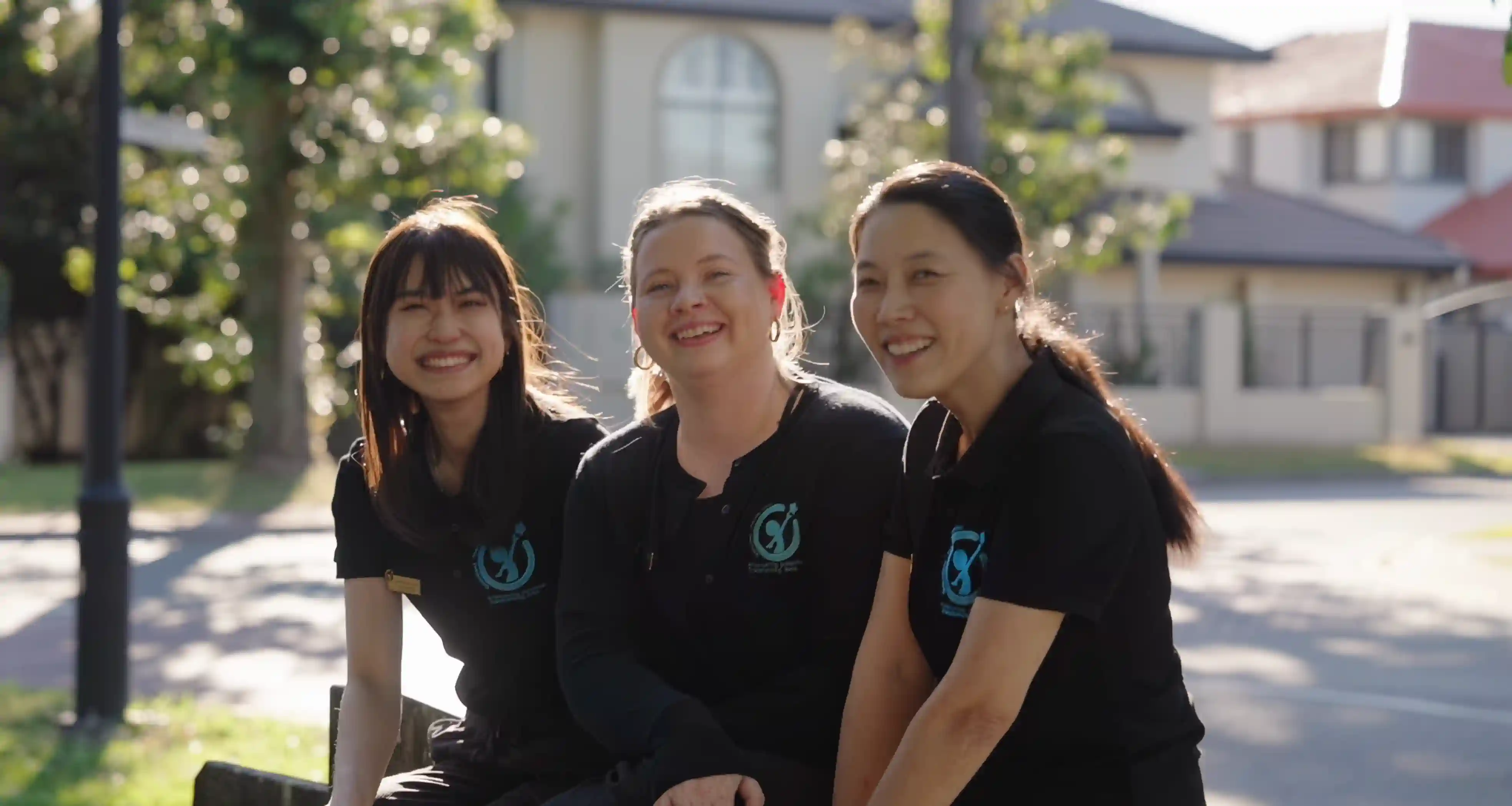
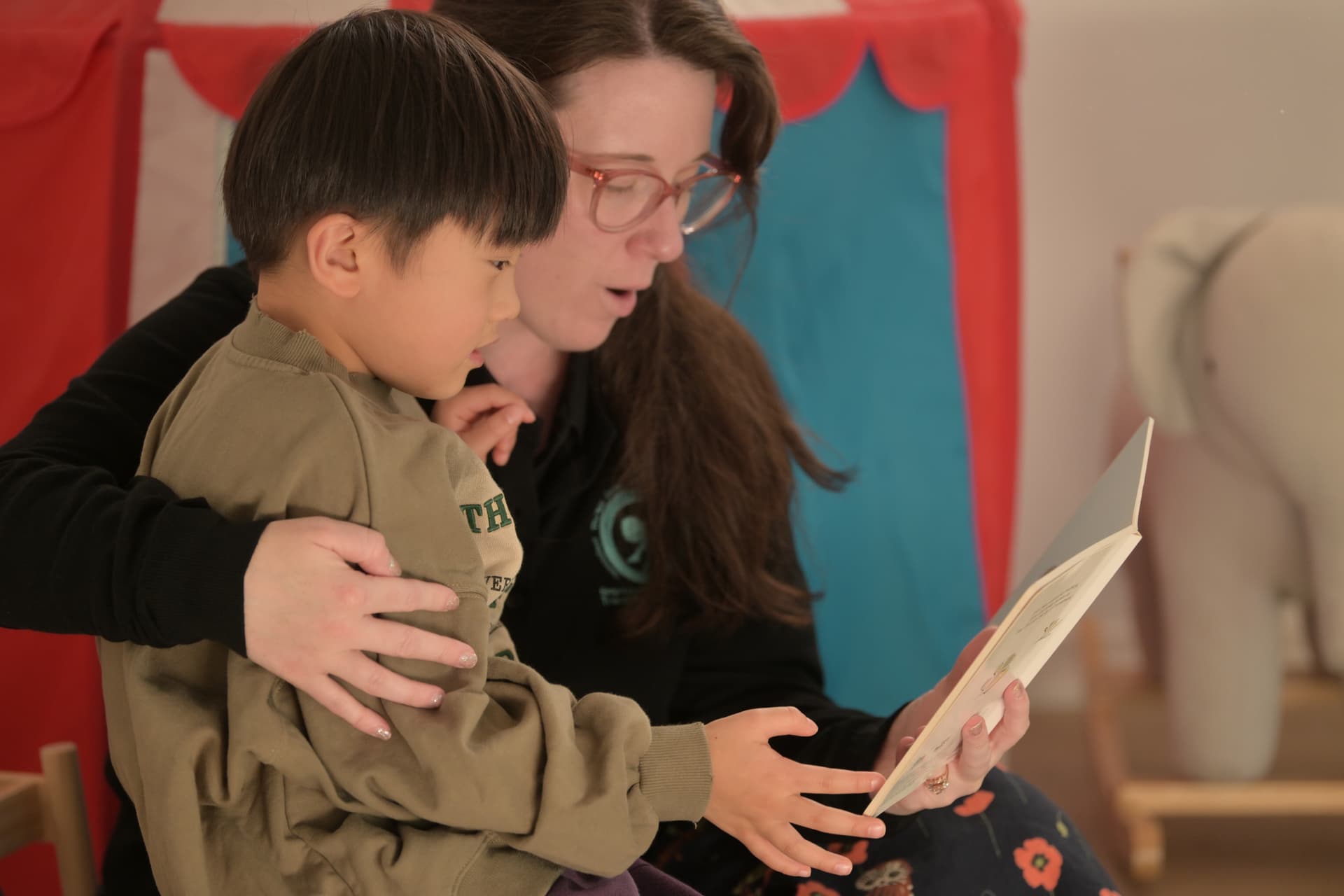
We are a registered NDIS provider in Runcorn, on Brisbane's southside. We work with participants whose plans are NDIA-managed, plan-managed or self-managed, and with private clients. Our team offers autism support in Runcorn, including speech pathology, occupational therapy and behaviour support, for children from age 2 and adults, at our clinic or at home, school or kindy.
We also provide assessments and progress reports that document goals and progress for plan reassessments. If you're not sure how to use your funding, talk to our team about your plan.
Frequently asked questions
Is Level 1 autism covered by the NDIS?
It can be, but it is not on List A. People with Level 1 autism need evidence of how autism substantially affects their daily life. Recent reports from the professionals who work with you or your child help show this.
Does the NDIS pay for an autism assessment?
No. Diagnostic assessments are a health service, not an NDIS support. For people under 25, Medicare can help with the cost of assessment and planning by a paediatrician or psychiatrist, and some allied health sessions.
What is replacing the NDIS for young autistic children?
Nothing is being replaced yet. From 1 January 2028, children aged 8 and under with autism and low to moderate support needs are due to be supported by Thriving Kids instead of the NDIS. Children with high support needs stay eligible.
Can adults diagnosed later in life get NDIS funding?
Yes, if they meet the access rules and apply before they turn 65. The evidence needs to show how autism affects daily life now.
Does Centrelink pay anything for autism?
Parents and carers of an autistic child may be eligible for Carer Allowance from Services Australia. Check the criteria on the Services Australia website.
Sources
- NDIS: Changes to support budgets from 1 October, disability requirements, early childhood approach, Capacity Building supports, Our Guidelines, plan reassessments.
- Department of Health, Disability and Ageing: Thriving Kids, changes to the NDIS.
- Services Australia: Carer Allowance.
Written by Wenjin Zhang, Clinic Director, Board Certified Behavior Analyst and Certified Practising Speech Pathologist. Last updated October 2026. General information only, not advice about your own plan.
Get Support
Ready to take the next step?
Our team is here to help. Book a session or reach out with any questions.
Contact Us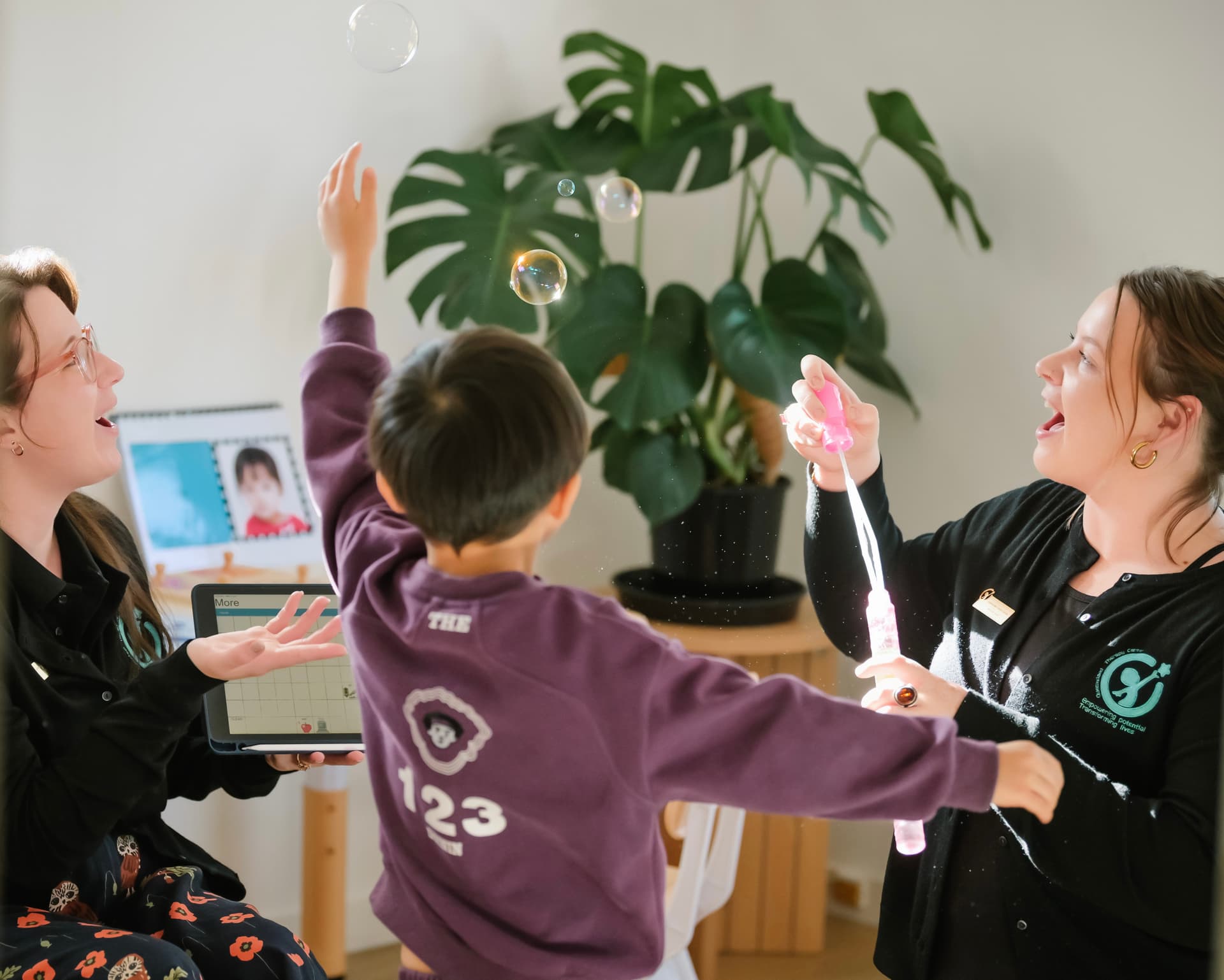
Appointment
Ready to book your first session?
We'd love to hear from you. Whether you have questions or you're ready to get started, just reach out — we're here to help.