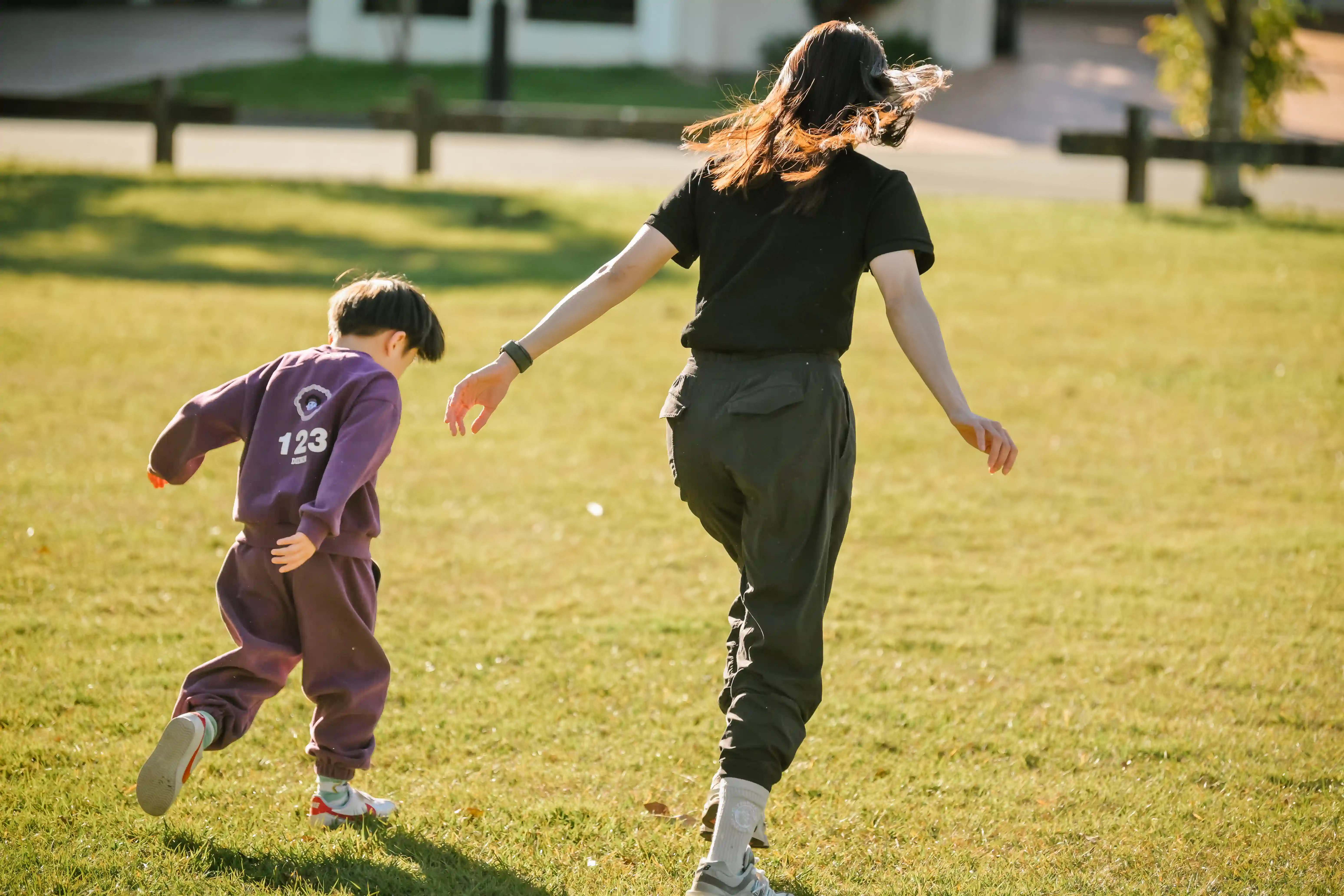
Starting school is one of the biggest transitions in a young child's life. Suddenly they're expected to sit still, hold a pencil, follow multi-step instructions, manage their belongings, interact with peers, regulate their emotions, and participate in structured learning, all at once.
Occupational therapy is one of the most effective ways to bridge that gap. At Queensland Therapy Center, our occupational therapists work with children from a very young age to build the foundational skills that make school participation not just possible, but enjoyable.
What Does School Readiness Actually Mean?
School readiness is often misunderstood as knowing the alphabet or being able to count to ten. True school readiness is much broader: it encompasses a child's ability to regulate their emotions and behaviour in a busy classroom, follow routines, manage transitions, sit and attend during lessons, communicate their needs to a teacher, and participate socially with peers.
Fine Motor Skills and Handwriting
Fine motor skills are the small, precise movements of the hands and fingers. They underpin everything from buttoning a shirt to holding a pencil correctly. Children who struggle with fine motor development may find colouring, drawing, and pre-writing activities frustrating and fatiguing.
Occupational therapists use a range of fun, play-based activities to build hand strength, finger dexterity, pencil grip, and the visual-motor integration skills needed for writing. The goal is always to make these skills feel natural and enjoyable.
Sensory Processing and Self-Regulation
Many children who struggle with school readiness have sensory processing differences. They may be over-sensitive to noise, touch, or movement, meaning a busy classroom can feel genuinely overwhelming. Our occupational therapists are trained to identify sensory processing differences and develop strategies to help children self-regulate.
Social Participation and Independence
School is an intensely social environment. Children need to navigate friendships, manage conflict, take turns, read social cues, and participate in group activities. Occupational therapists work on the social and emotional foundations that support these skills, as well as practical independence skills.
When Should You Start?
The earlier, the better. Occupational therapy support in the year or two before school gives children the most time to build the skills they need. But it's never too late: our team also works with school-aged children who are struggling with participation, attention, writing, or social connection.
Get Support
Ready to take the next step?
Our team is here to help. Book a session or reach out with any questions.
Contact Us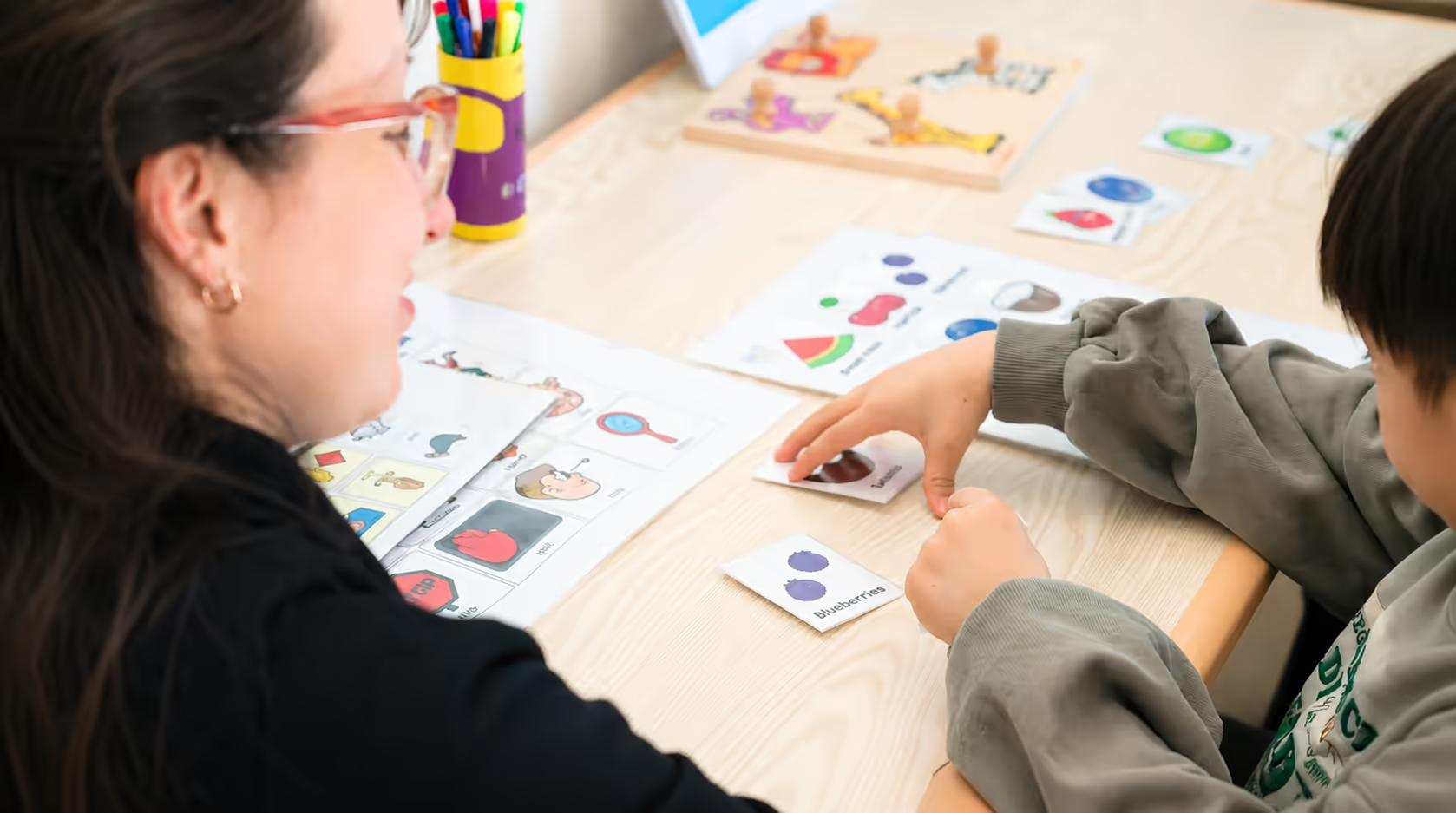
Appointment
Ready to book your first session?
We'd love to hear from you. Whether you have questions or you're ready to get started, just reach out — we're here to help.