What is ABA Therapy and How Does It Help Children with Autism?

Applied Behaviour Analysis, more commonly known as ABA, is one of the most extensively researched and widely used therapeutic approaches for supporting children with autism spectrum disorder (ASD). Yet despite its long history and strong evidence base, it's also one of the most misunderstood.
What is Applied Behaviour Analysis?
At its core, ABA is the science of behaviour and learning. It examines how behaviour is influenced by the environment and uses that understanding to teach new skills and reduce behaviours that may be limiting a child's quality of life. ABA is not a single technique; it's a framework of principles that can be applied in many different ways.
The "applied" part of ABA means that it focuses on behaviours that are socially significant: skills that genuinely matter for the child's daily life, independence, relationships, and learning. The goal is always to improve the child's overall quality of life.
How ABA Works in Practice
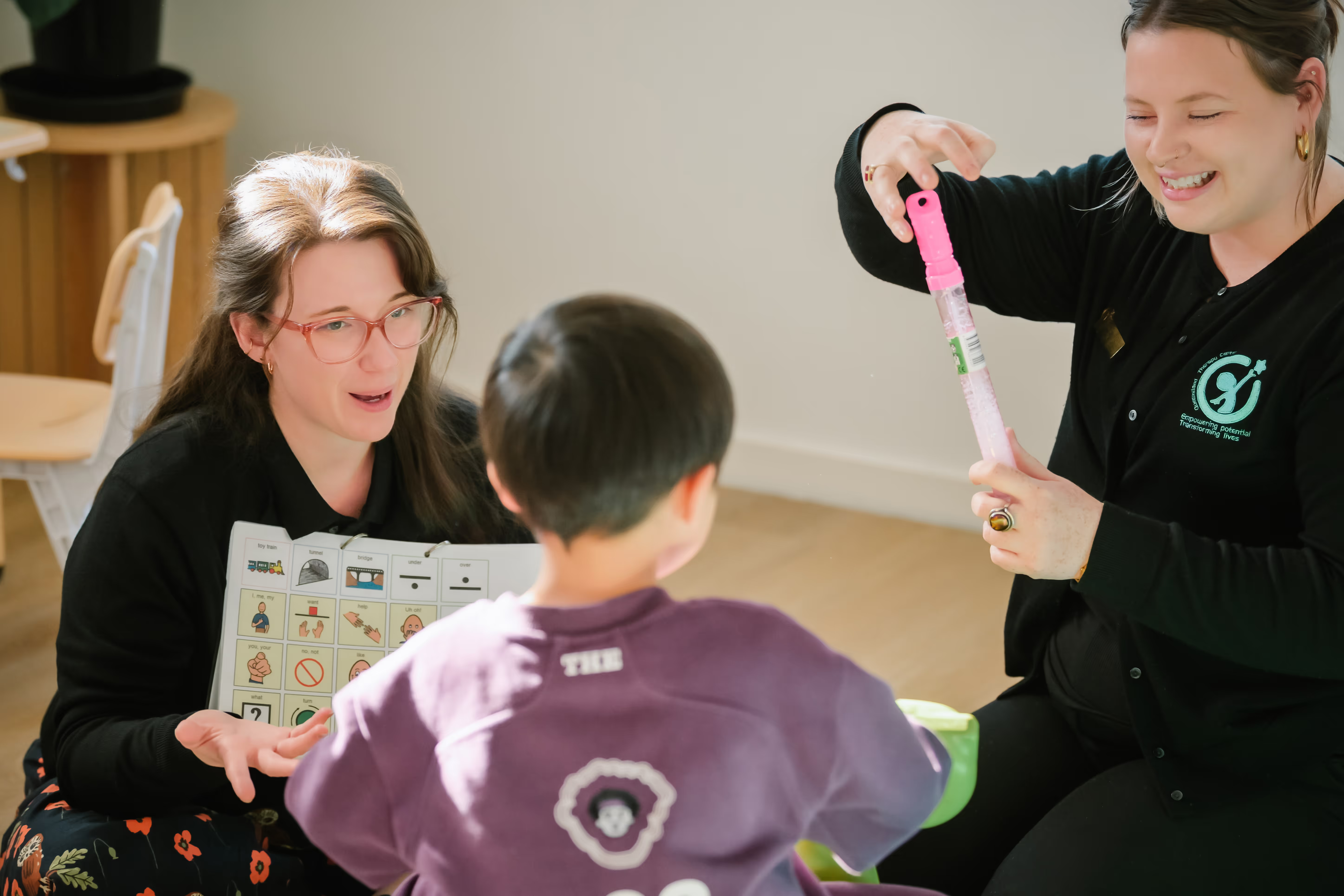
Modern ABA therapy is far removed from the rigid, repetitive drills that older approaches sometimes involved. Today, high-quality ABA is naturalistic, play-based, and child-led wherever possible. Sessions might take place at home, at school, in the community, or in a clinic.
A typical ABA program begins with a thorough assessment of the child's current skills across areas like communication, social interaction, daily living skills, and behaviour. From this, a Board Certified Behavior Analyst (BCBA) designs an individualised program with specific, measurable goals.
What Skills Does ABA Target?
ABA can target a very wide range of skills. Communication is often a central focus: helping children develop language, expand vocabulary, learn to make requests, and engage in conversation. Social skills are another key area, including turn-taking, play with peers, understanding emotions, and navigating social situations.
ABA also supports daily living skills like dressing, toileting, mealtimes, and community safety. Critically, the focus is never on suppressing behaviour for the sake of compliance; it's on understanding why the behaviour is happening and teaching a better alternative.
The Role of Family in ABA
At Queensland Therapy Center, we believe that family involvement is not optional: it's essential. ABA is most effective when parents, siblings, and other important people in the child's life are part of the process.
This collaborative approach means that therapy doesn't stop the moment a session ends. It continues at the dinner table, on the way to school, during bath time, wherever the child needs to practise and consolidate the skills they're building.
Is ABA Right for My Child?
ABA is most commonly used with children who have a diagnosis of autism spectrum disorder, though its principles can benefit children with a range of developmental needs. The approach is highly individualised: what works beautifully for one child may look completely different for another.
If you're wondering whether ABA might be a good fit for your child, the best starting point is a conversation with our team. We'll take the time to understand your child, your family's priorities, and what you're hoping to achieve.
Get Support
Ready to take the next step?
Our team is here to help. Book a session or reach out with any questions.
Contact Us
Appointment
Ready to book your first session?
We'd love to hear from you. Whether you have questions or you're ready to get started, just reach out — we're here to help.