What Does a Speech Pathologist Do? A Guide for Families and Adults
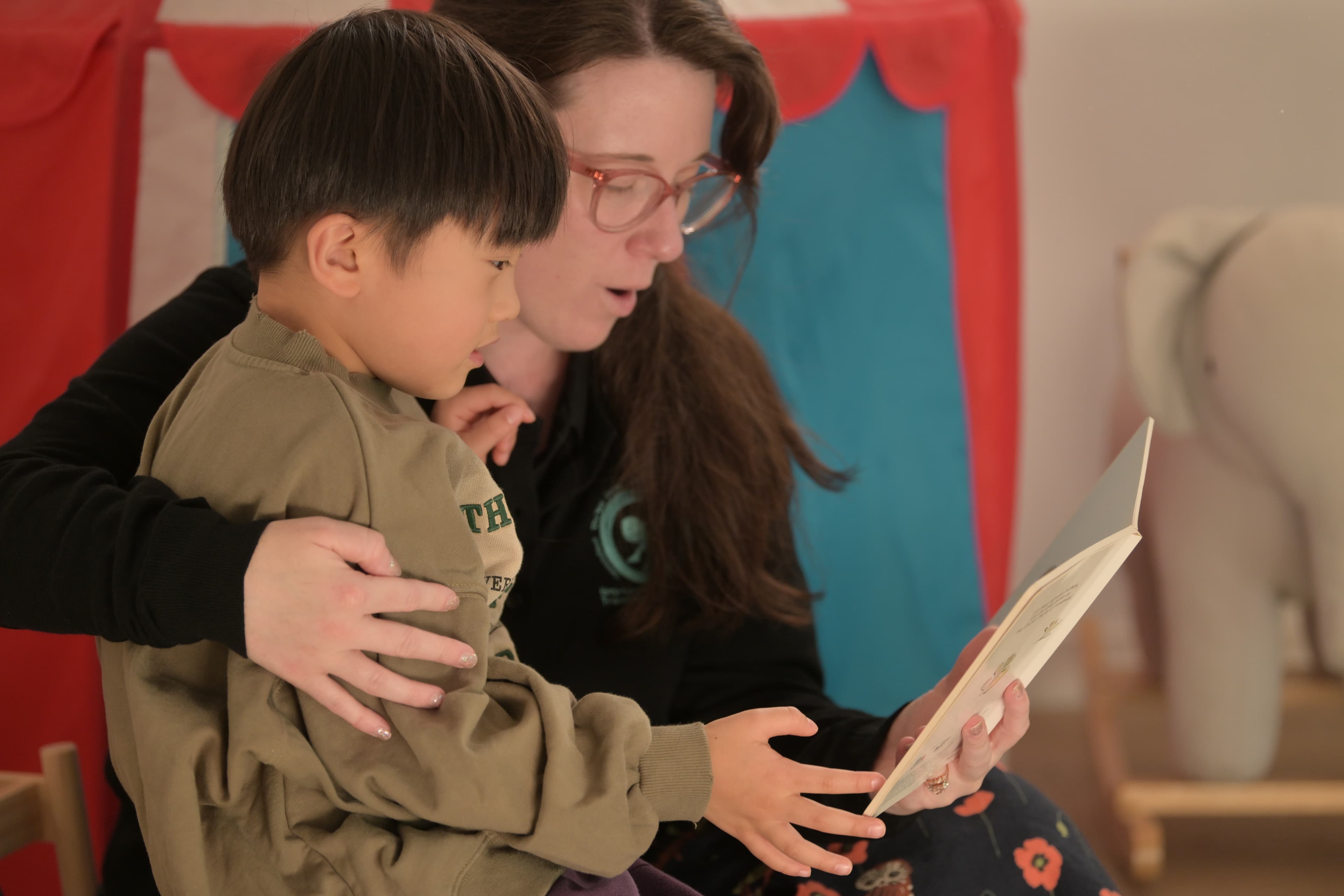
A speech pathologist is a university-qualified allied health professional who helps people communicate, and eat and drink safely. They work with people of all ages, from babies and young children to adults and older people, on speech, language, literacy, stuttering, voice, social communication, alternative ways to communicate, and swallowing.
This guide explains what speech pathologists do, what happens at a first appointment, whether you need a referral, and how to pay for speech pathology in Australia in 2026.
What is a speech pathologist?
Speech pathologists assess, diagnose and support people with communication and swallowing needs. They are allied health professionals, not medical doctors. In Australia they study speech pathology at university, either in a bachelor's degree or in a master's degree after another degree. Speech Pathology Australia, the national professional body, recognises both.
A speech therapist is the same thing. "Speech pathologist" is the professional title used in Australia, "speech therapist" is the everyday term, and in the United States the title is speech-language pathologist.
What speech pathologists help with
Speech Pathology Australia lists eight areas speech pathologists work in:
- Speech: saying sounds clearly, for example a preschooler who is hard to understand, or an adult whose speech changed after a brain injury.
- Language: understanding what others say and putting words and sentences together, for example a child with a language delay, or an adult with aphasia after a stroke.
- Literacy: reading, spelling and writing, for example a student who finds reading hard.
- Stuttering and fluency: for children, teenagers and adults who stutter.
- Voice: voice quality, pitch and loudness, for example teachers, singers and other people who use their voice for work, or people whose voice has changed with Parkinson's disease.
- Social communication: how people use communication with others, including for autistic and other neurodivergent people, in ways that suit them.
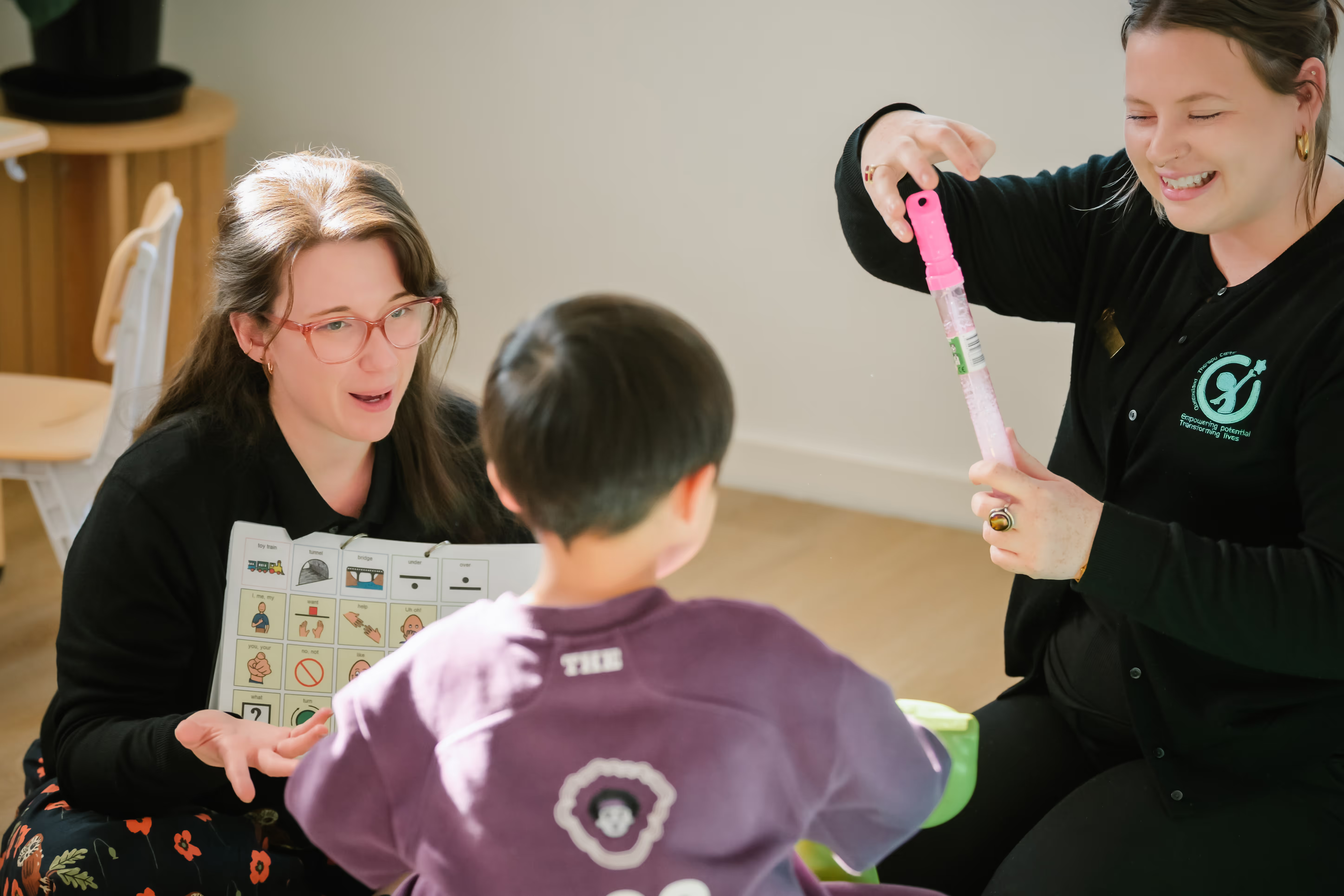
- Alternative and augmentative communication (AAC): signs, symbols, picture systems and speech-generating devices for people who don't use speech, or need more than speech.
- Eating, drinking and swallowing: for babies, children and adults who have trouble eating or drinking safely, for example after a stroke.
Who sees a speech pathologist?
People see a speech pathologist at every stage of life:
- Babies and toddlers: feeding difficulties, or early communication and late talking.
- Preschool children: speech that is hard to understand, language delay, stuttering, getting ready for school.
- School-age children and teenagers: reading and spelling, language for learning, social communication, stuttering.
- Adults: communication or swallowing changes after a stroke or brain injury, voice problems, stuttering.
- Older people: communication and swallowing changes with conditions like Parkinson's disease, motor neurone disease or dementia, and support for their families.
Speech pathologists work in early childhood services, schools, hospitals, rehabilitation and aged care, disability and mental health services, private practice, people's homes and online. They often work in teams with occupational therapists, psychologists and other professionals.
What happens at the first appointment
The first appointment is usually an assessment. Before it starts, the speech pathologist should explain what will happen, how long it takes and what it costs, and ask for your consent.
- Talking about concerns: they ask about the difficulties, your or your child's development and health, and any previous therapy or reports.
- Assessment: depending on the concern, they may look at understanding and using language, speech sounds, voice, fluency, social communication, play, reading and writing, or eating and drinking. With young children, much of this happens through play.
- Time: Speech Pathology Australia says assessments often take between 30 and 60 minutes. A detailed assessment can take longer, or more than one appointment.
- Afterwards: the speech pathologist explains what they found and suggests next steps. You can ask for a written report, which may include strategies for family, carers and teachers.
Bring any reports from doctors, hearing tests, teachers or previous therapists. It also helps to bring a list of questions, such as how often sessions would run and what the goals would be.
Do you need a referral?
No. Anyone can book an assessment with a speech pathologist without a referral. You may need a referral to use some funding, such as Medicare. If you're worried about your child, your GP or child health nurse is also a good place to start.
How to pay for speech pathology in 2026
These are the main ways people pay for speech pathology, as at October 2026:
- NDIS: for NDIS participants, speech therapy is usually paid for from the Capacity Building budget, under Improved Daily Living. Our article on NDIS funding for autism explains this year's NDIS changes.
- Medicare, GP chronic condition management plan: since 1 July 2025, this plan replaced the old GP Management Plans and Team Care Arrangements. With a referral from your GP, Medicare pays a rebate towards up to 5 allied health sessions each calendar year, shared across all allied health types. If you also see a physiotherapist under the same plan, those visits come from the same 5. Plans made before 1 July 2025 can still be used until 30 June 2027. Services Australia has the details.
- Medicare for people under 25 with autism or an eligible disability: with a referral from a paediatrician, psychiatrist or another eligible doctor, Medicare pays rebates towards some assessment and treatment sessions in a lifetime, shared across speech pathology, occupational therapy and other allied health.
- Private health insurance: extras cover can include speech therapy. Limits vary by policy, so check with your health fund.
- Public services: public hospitals and community health services offer speech pathology at little or no cost, but there is often a waiting list and services are limited to certain ages or needs.
Medicare and health funds only pay rebates when the speech pathologist is a Certified Practising Speech Pathologist (see below). Rebates cover part of the cost, not all of it, so ask the clinic about fees before you book.
How to check a speech pathologist's qualifications
Speech pathology is a self-regulated profession in Australia. Unlike occupational therapists or physiotherapists, speech pathologists are not registered with Ahpra, and "speech pathologist" is not a protected title.
That makes CPSP worth looking for. A Certified Practising Speech Pathologist meets Speech Pathology Australia's professional standards, renews each year, follows its Code of Ethics, keeps up recent practice, and completes ongoing professional development. Medicare, private health funds and many employers require it. Speech Pathology Australia's Find a Speech Pathologist directory lists members who choose to be listed.
Signs it may be time to see a speech pathologist
For children, signs worth checking include:
- speech that family or other people find hard to understand;
- trouble understanding what others say, or following instructions;
- frustration at not being understood;
- stuttering;
- a husky or hard-to-hear voice;
- difficulty with reading, spelling or writing;
- problems with feeding or swallowing.
Speech Pathology Australia's communication milestones show what to expect from 12 months to 5 years. Our article on signs your child may benefit from speech therapy goes into more detail.
For adults, signs include changes to speech, language or swallowing after a stroke or brain injury, voice changes or strain, stuttering, coughing or choking when eating or drinking, and communication changes with conditions like Parkinson's disease or dementia. Sudden changes to speech or swallowing need urgent medical attention first.
Speech pathology at Queensland Therapy Center
Our speech pathologists in Runcorn work with children from age 2 and adults on speech, language, literacy, stuttering and communication, at our clinic or at home, school or kindy across Brisbane's southside. Our team includes Certified Practising Speech Pathologists, and we work alongside our occupational therapy and behaviour support team, so people who need more than one kind of support can see one team.
We are a registered NDIS provider and work with participants whose plans are NDIA-managed, plan-managed or self-managed. Private clients are welcome. You don't need a referral to book, and support coordinators and health professionals can use our referral form.
Frequently asked questions
Are speech pathologists doctors?
No. Speech pathologists are university-qualified allied health professionals, not medical doctors.
Can a speech pathologist diagnose?
Speech pathologists assess and diagnose communication and swallowing difficulties, such as a language disorder or stuttering. Some conditions, such as autism, are diagnosed through a separate process involving a doctor or a team.
How long does it take to become a speech pathologist?
It is usually a four-year bachelor's degree, or a master's degree after another degree.
Can I see a speech pathologist without a referral?
Yes. You only need a referral for some funding, such as Medicare.
Does Medicare cover speech therapy?
Medicare pays a rebate towards some sessions with a referral, either through a GP chronic condition management plan (up to 5 allied health sessions a year, shared) or through the items for people under 25 with autism or an eligible disability. It doesn't cover the full cost.
Does the NDIS fund speech therapy?
For NDIS participants, speech therapy is usually funded from Capacity Building, under Improved Daily Living, when it relates to the goals in their plan.
Can adults see a speech pathologist?
Yes. Speech pathologists work with adults on communication, voice, stuttering and swallowing, including after a stroke or brain injury and with progressive conditions.
Sources
- Speech Pathology Australia: What is a speech pathologist, assessments and reports, becoming certified.
- healthdirect: Speech pathology.
- Raising Children Network: Speech pathologists.
- Services Australia: GP chronic condition management plan.
- NDIS: Capacity Building supports.
Written by Wenjin Zhang, Clinic Director and Certified Practising Speech Pathologist (Master of Speech Pathology). Last updated October 2026. General information only, not advice for your situation.
Get Support
Ready to take the next step?
Our team is here to help. Book a session or reach out with any questions.
Contact Us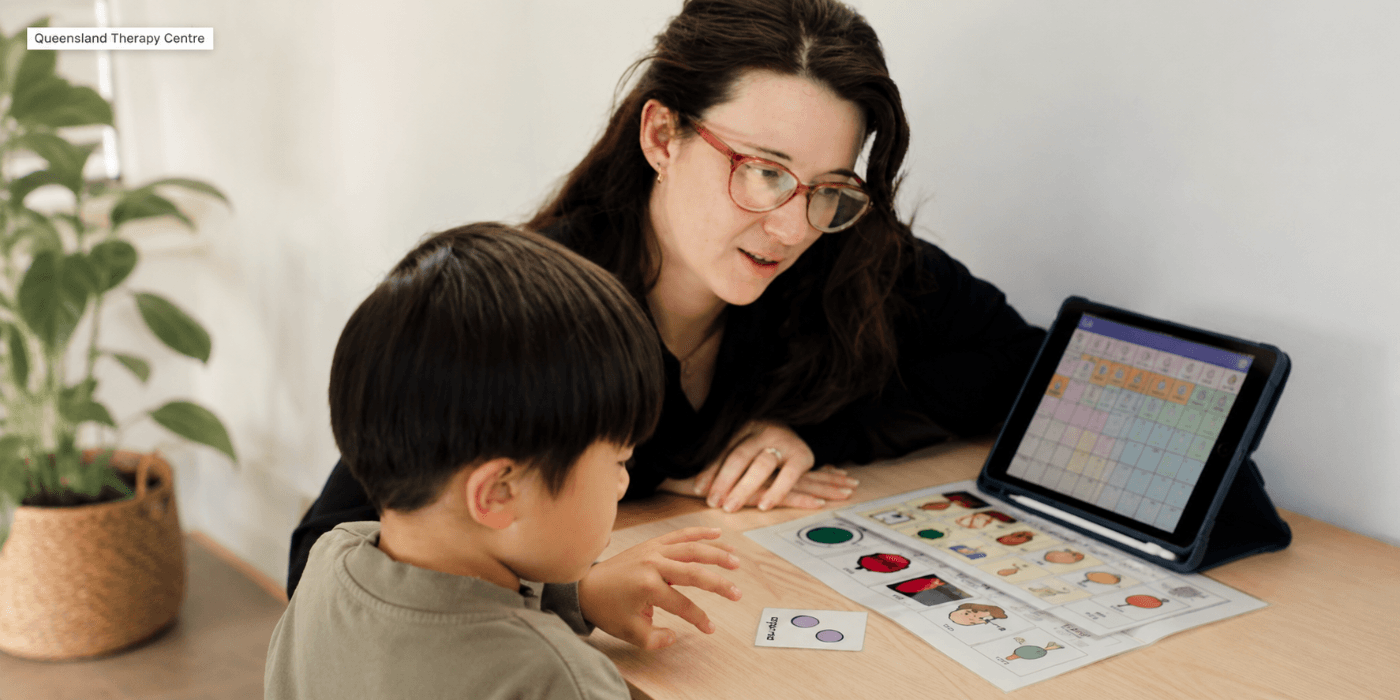
Appointment
Ready to book your first session?
We'd love to hear from you. Whether you have questions or you're ready to get started, just reach out — we're here to help.