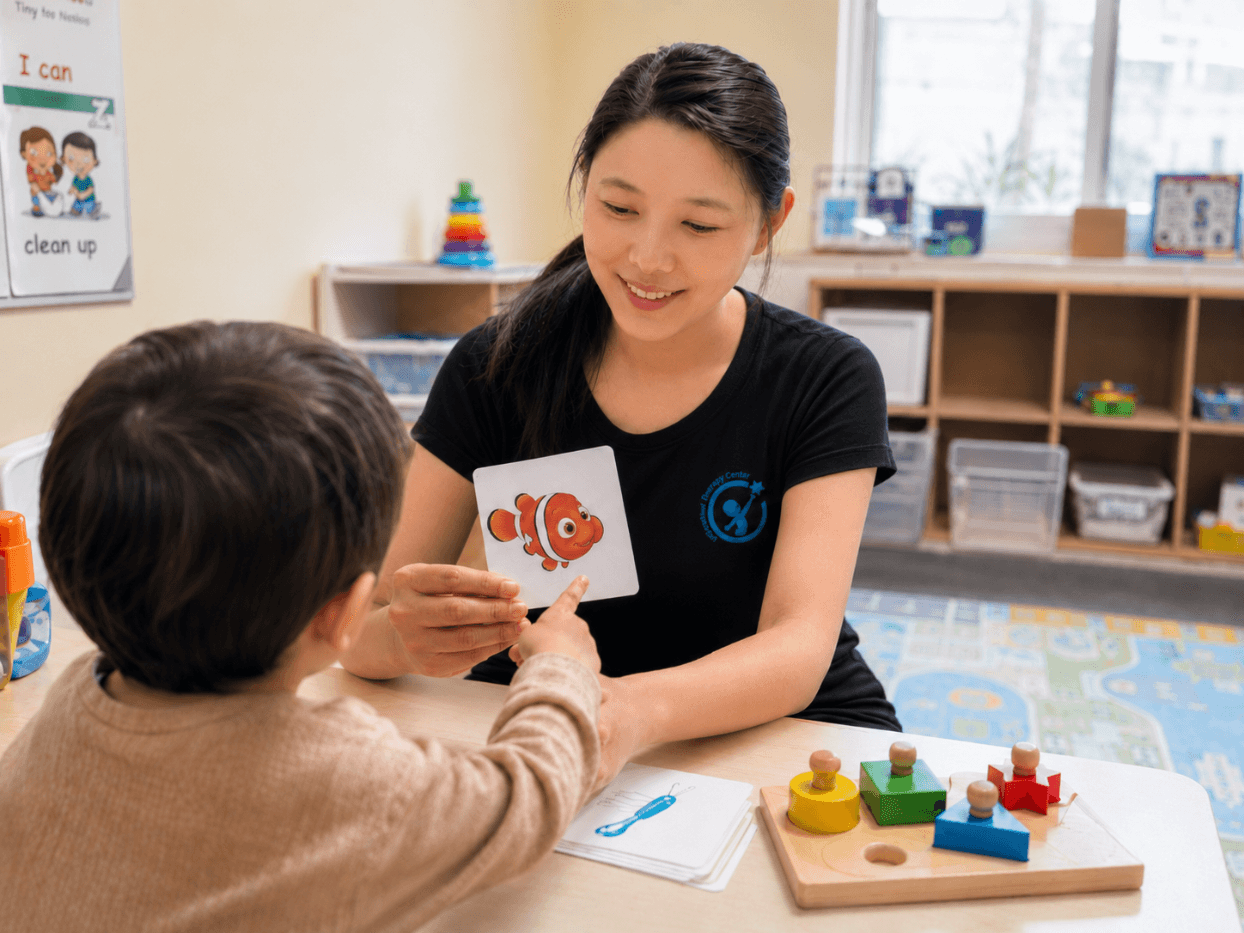
Early intervention refers to support provided to young children as early as possible when there are concerns about their development, communication, behaviour, social interaction, play skills, emotional regulation, or everyday functioning.
The early years are an important period of development. During this time, children are rapidly building communication, social, emotional, cognitive, and daily living skills. Early intervention can help identify a child’s strengths and areas where they may need additional support, allowing families and professionals to work together before difficulties have a greater impact on everyday life.
What Can Early Intervention Support?
Early intervention may help children develop skills in areas such as:
- communication and language
- social interaction and play
- emotional regulation
- attention and learning
- independence and daily living skills
- participation in childcare, kindergarten and school
- confidence when interacting with other children and adults
Research suggests that early intervention can support positive developmental outcomes for young children, particularly when intervention is individualised, evidence-informed, and responsive to the needs of both the child and their family.
Early intervention is not simply about teaching a child to complete certain tasks. Effective intervention focuses on helping children develop meaningful skills that can be used in everyday life. This may include learning how to communicate needs, play with peers, manage transitions, participate in family routines, develop independence, and engage more confidently in their community.
Every Child Is Different
There is no single early intervention approach that is suitable for every child. Each child has their own strengths, interests, developmental needs and family circumstances.
At Queensland Therapy Center, we believe early intervention should be individualised, family-centred, play-based and focused on meaningful functional outcomes. Our goal is to work collaboratively with children and families to build skills that support participation, independence and quality of life.
Seeking support early does not mean something is “wrong” with a child. It provides families with an opportunity to better understand their child’s development and access practical strategies that may help them learn, participate and grow with confidence.
Learning Through Play and Everyday Routines
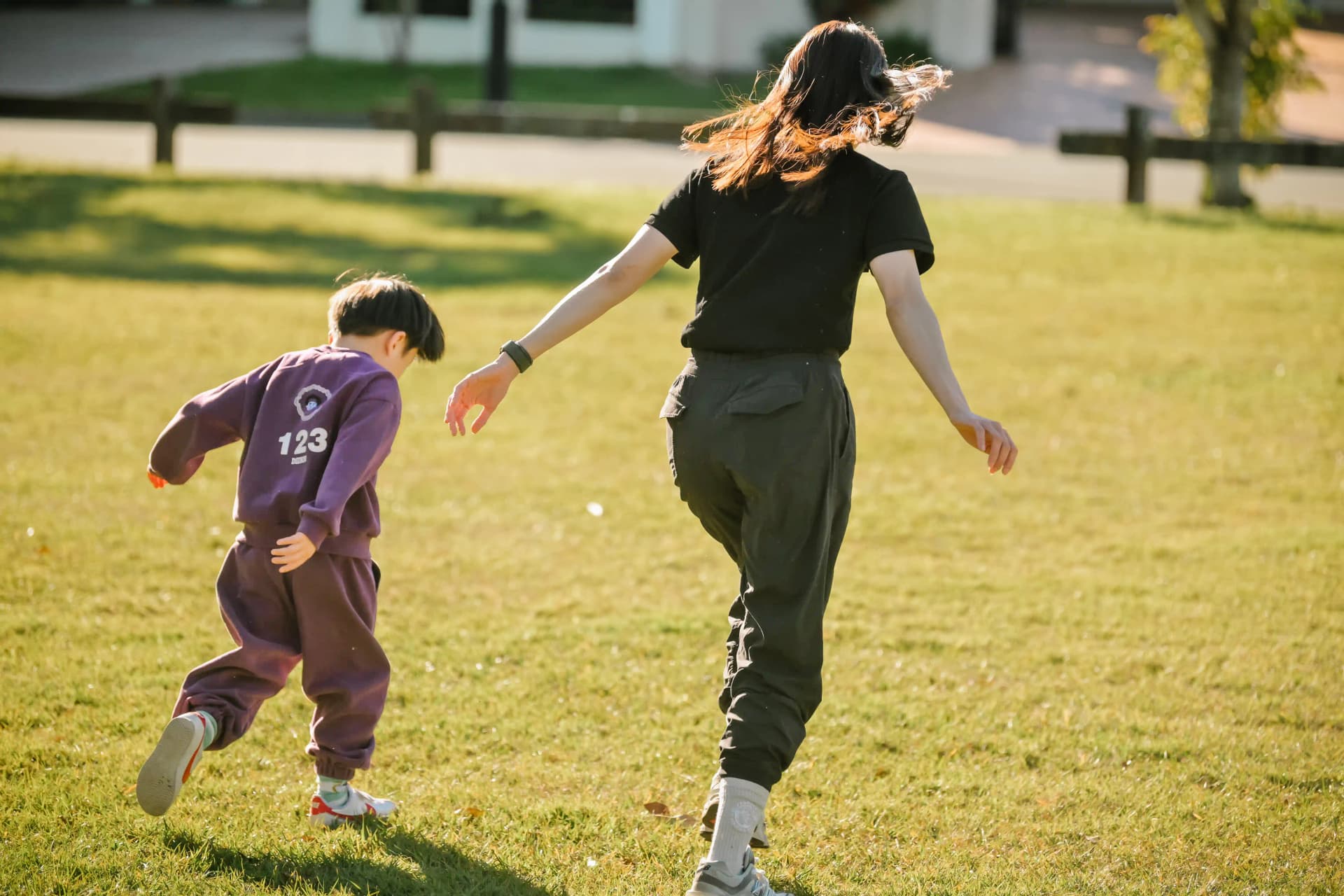
Young children learn best through meaningful experiences. For this reason, early intervention can be incorporated into play, daily routines, childcare, home activities and community participation.
A play-based approach allows therapists to follow the child’s interests while creating opportunities to practise communication, social interaction, problem solving, turn-taking and independence in a natural and enjoyable way.
Families also play an important role. When parents and caregivers understand how to support their child during everyday routines, learning opportunities can continue beyond therapy sessions.
Early Intervention and the NDIS in 2026
The NDIS early childhood approach is for children younger than 9 with developmental delay or disability. Families work with an early childhood partner, who can connect them with community services, information and other families, and help them apply for the NDIS if their child is likely to be eligible. Families can get this help even if their child is not eligible for the NDIS.
Children younger than 6 with developmental concerns can also get short-term early supports through the partner, usually for 3 to 6 months, without a diagnosis.
Support for young children is also changing. Thriving Kids, a new program outside the NDIS for children aged 8 and under with developmental delay or autism and low to moderate support needs, began rolling out on 1 October 2026. NDIS access rules for children are not due to change until 1 January 2028. Our article on NDIS funding for autism explains these changes in more detail.
How Queensland Therapy Center Can Help
Our team works with children from age 2 at our clinic in Runcorn, and visits homes, kindies and schools across Brisbane's southside. For young children, our clinic offers speech pathology for communication, occupational therapy for play, motor and daily living skills, and autism support from one team.
You don't need a referral or a diagnosis to book. We are a registered NDIS provider, and families without NDIS funding are welcome.
Get Support
Ready to take the next step?
Our team is here to help. Book a session or reach out with any questions.
Contact Us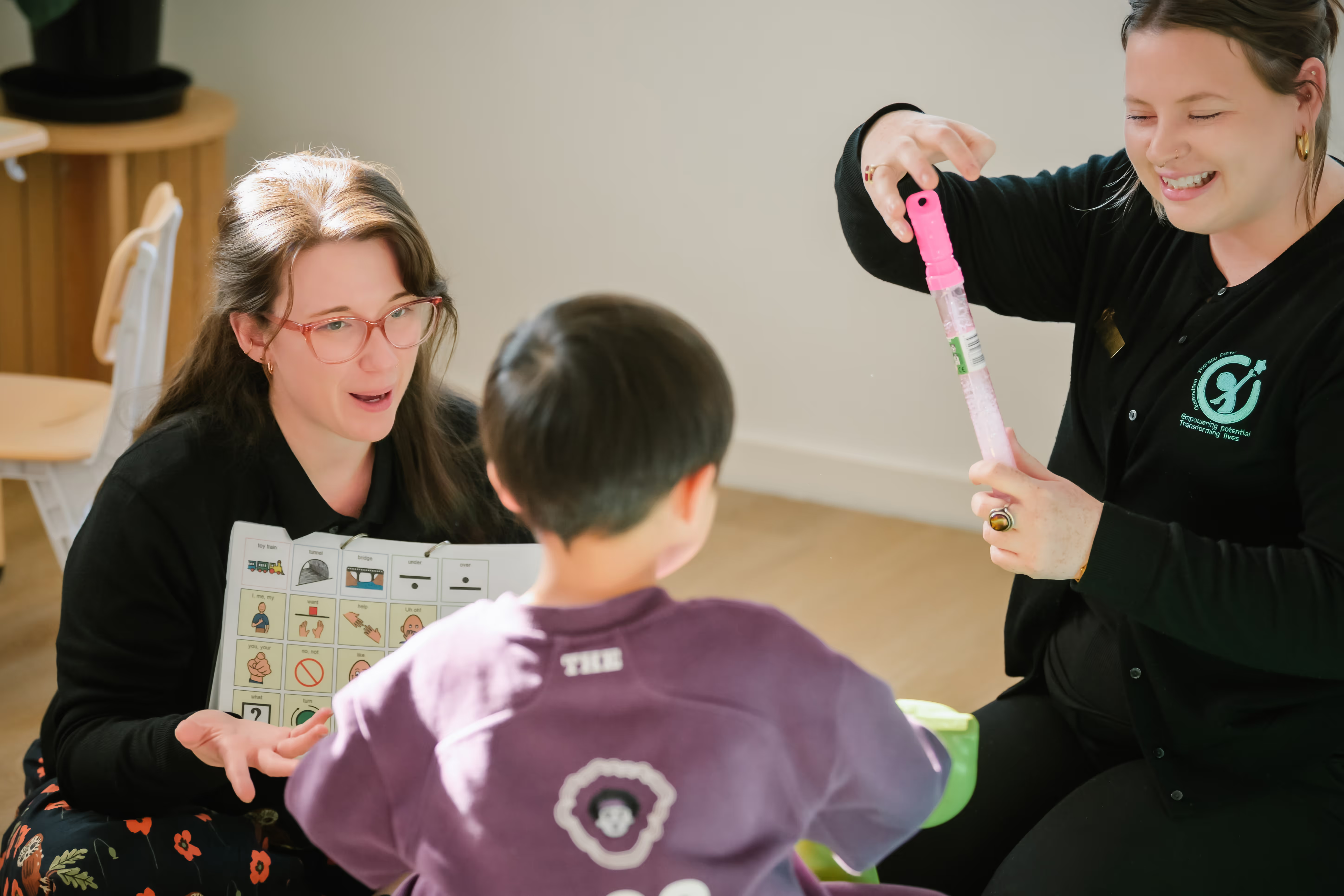
Appointment
Ready to book your first session?
We'd love to hear from you. Whether you have questions or you're ready to get started, just reach out — we're here to help.